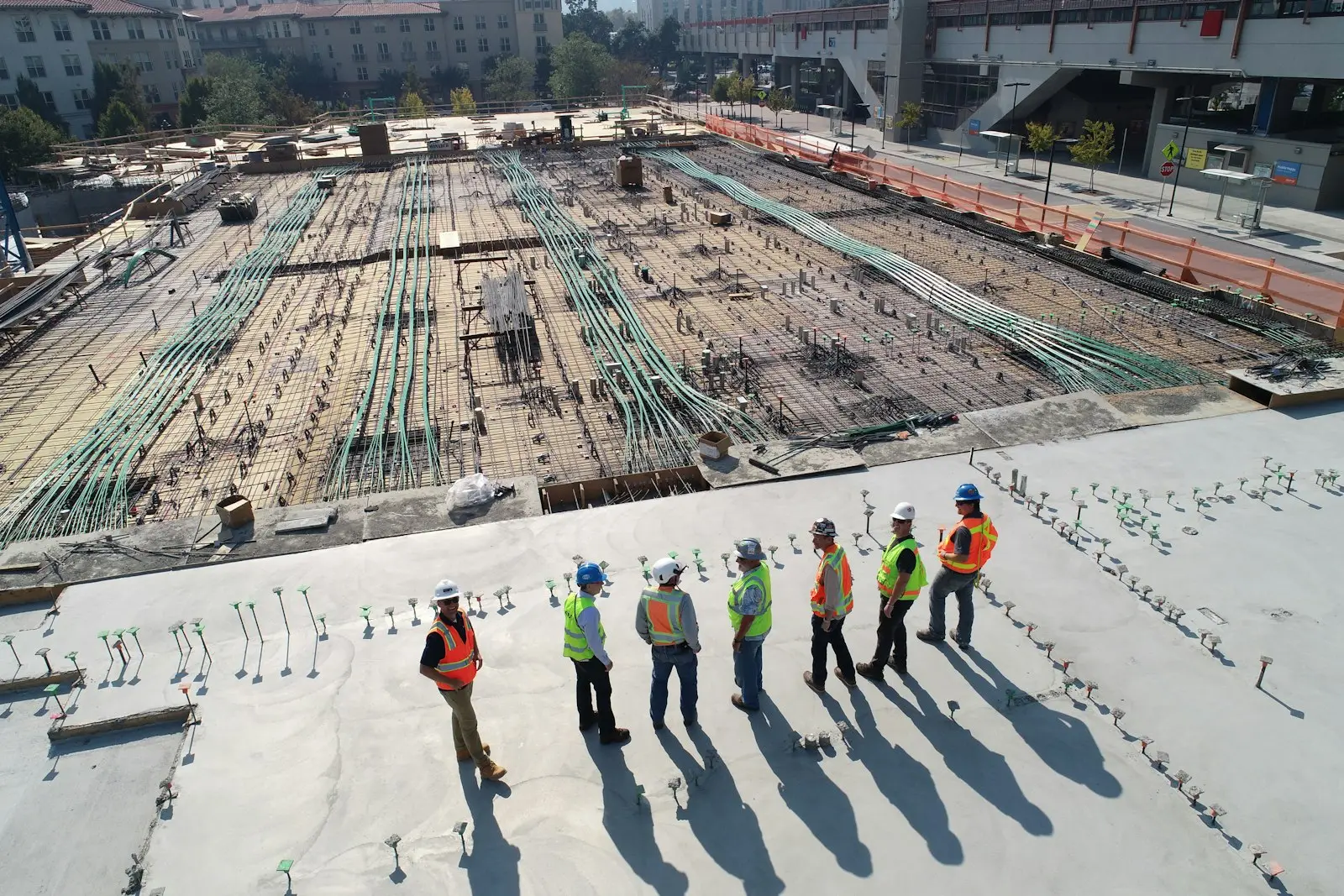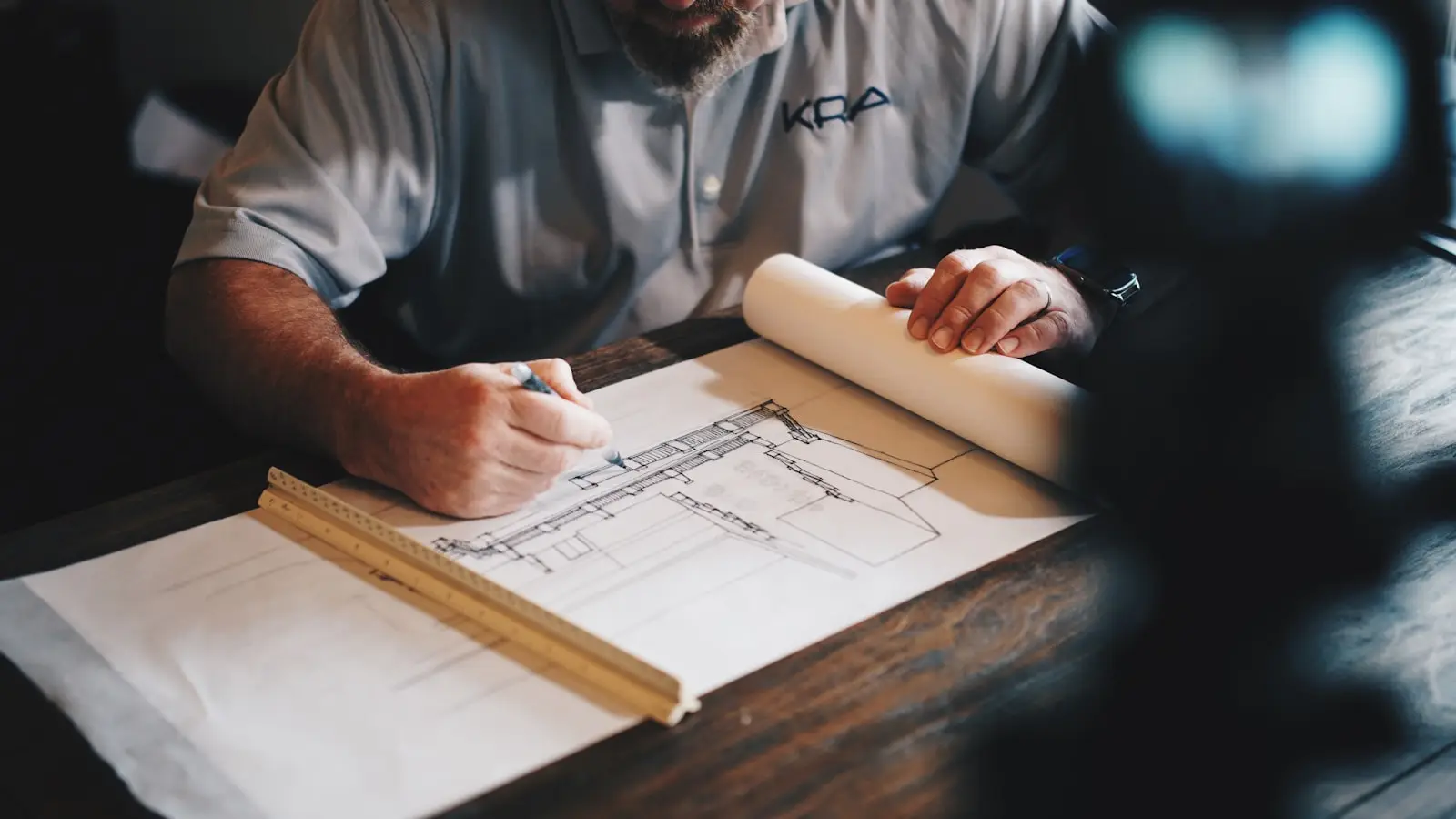
On a traditional project, you sign two contracts: one with the designer, one with the builder. They don’t answer to each other. When something doesn’t line up in the field — and something always does — you’re the one standing between them.
Design-build closes that gap. One contract, one team, one name to hold accountable.
Where the seams usually show
The trouble on split-contract jobs rarely arrives as a single big failure. It’s a hundred small seams:
- A detail that’s drawable but not buildable, discovered at framing.
- A budget the designer never had to live inside.
- A change nobody owns, so everybody bills for it.
Owning the whole thing
When the same firm draws it and builds it, those seams close before they reach you. The estimator talks to the architect talks to the superintendent — in the same office, on the same contract, with the same incentive to get it right the first time.
You still get the design. You just stop being the referee.