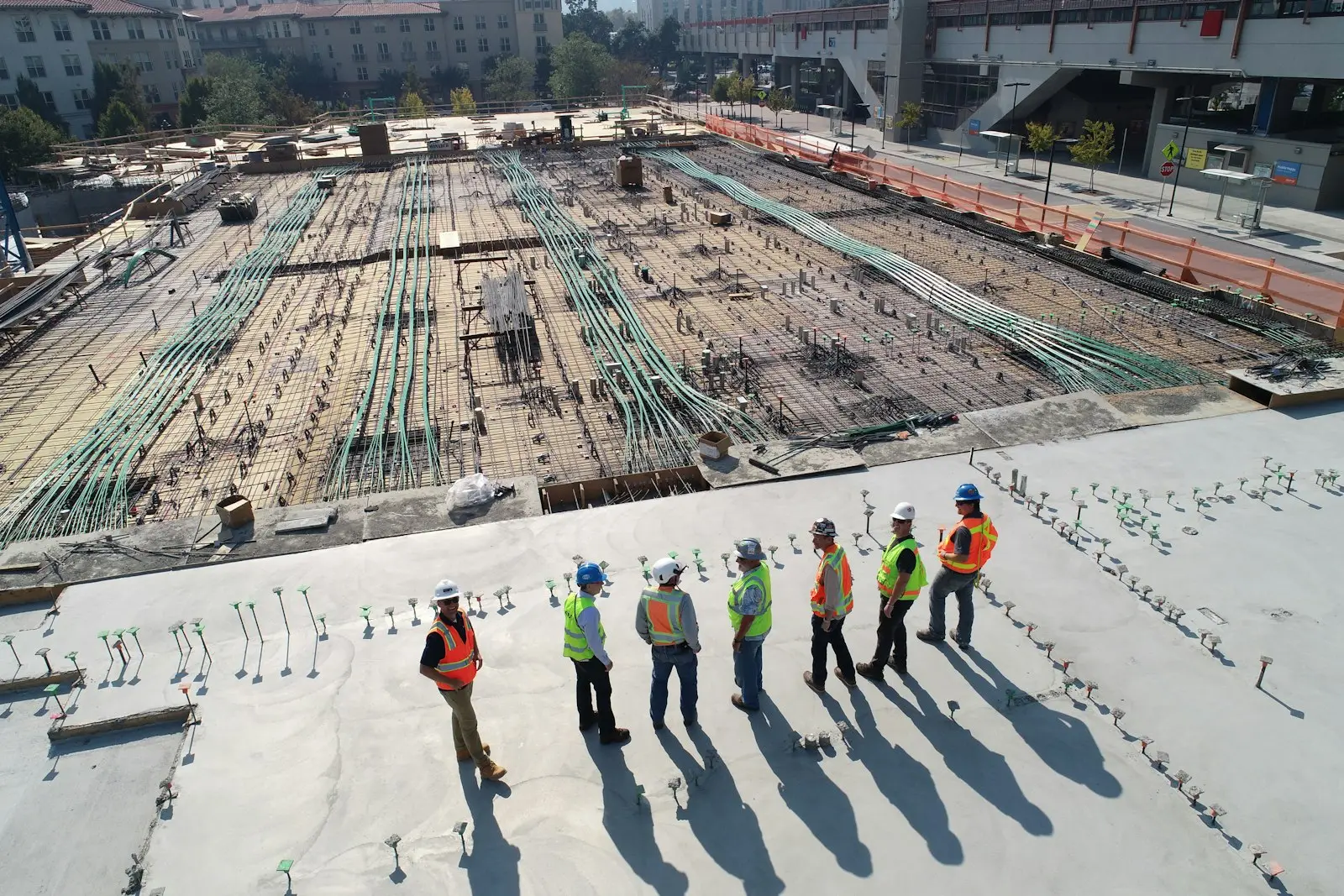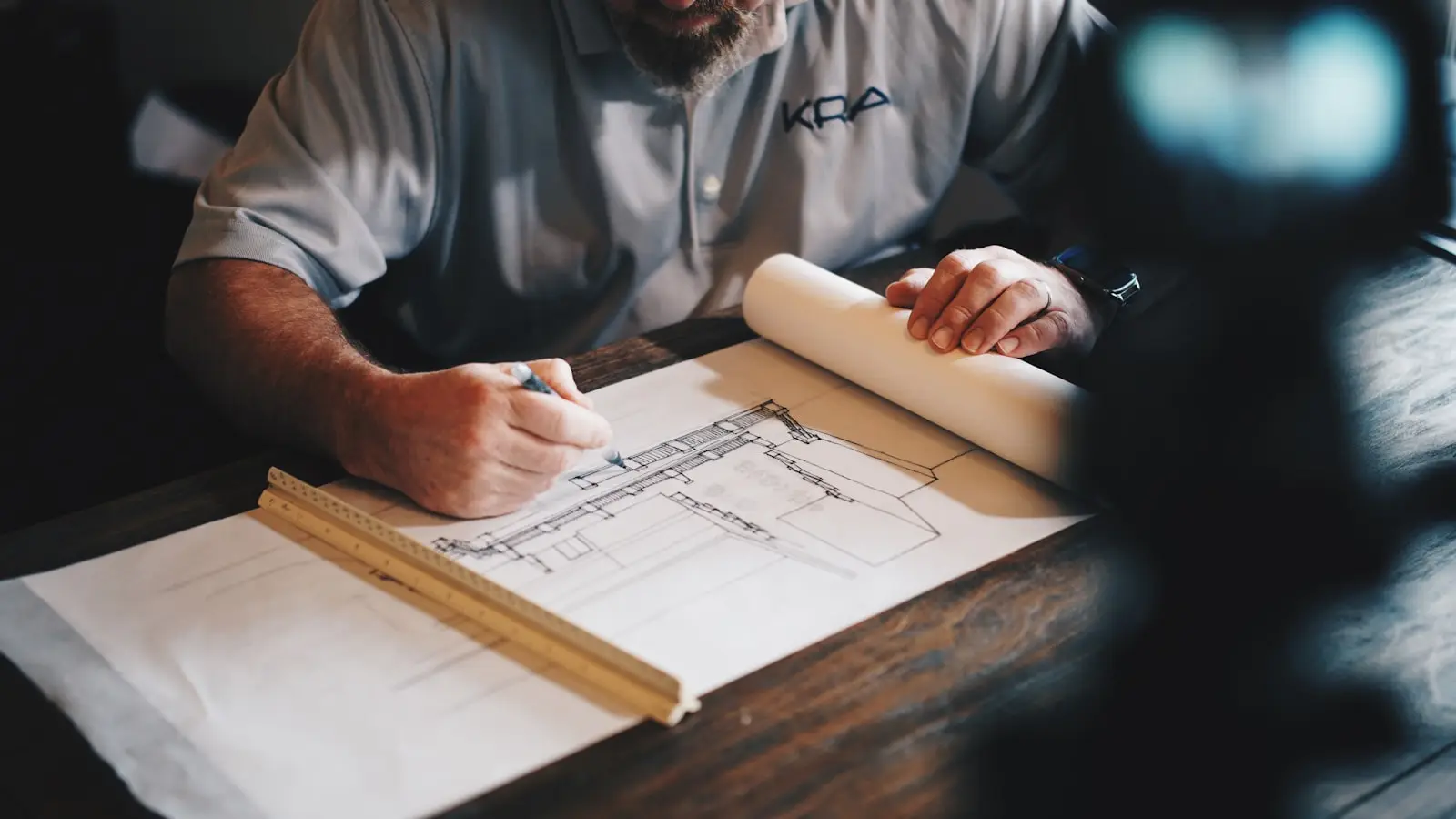
Ask most people how a building gets designed and they’ll describe the same sequence: an architect draws something beautiful, you fall in love with it, and then a contractor tells you what it costs. Usually more than you have.
We run it backwards. Your number comes first, and every line gets drawn against it.
The rendering trap
A rendering is a promise nobody’s priced yet. It’s easy to say yes to — that’s the point of it. But the gap between the picture and the invoice is where trust goes to die: the value engineering, the “we didn’t realize,” the change orders dressed up as discoveries.
The price you’re shown should be the price you build. Anything else is a negotiation you didn’t know you’d entered.
Budget first, in practice
When we start with the budget, design becomes a series of honest trades instead of a slow disappointment:
- Every material and system is chosen against a real number, not a wish.
- Trade-offs happen early, on paper, when they’re cheap to make.
- The estimate, the drawings, and the build all tell the same story.
It’s less romantic than a hero rendering. It’s also the reason our clients open the building they were shown — on the budget they were quoted.